PMOS (PCOS): Symptoms, Examinations, and Pregnancy Chances
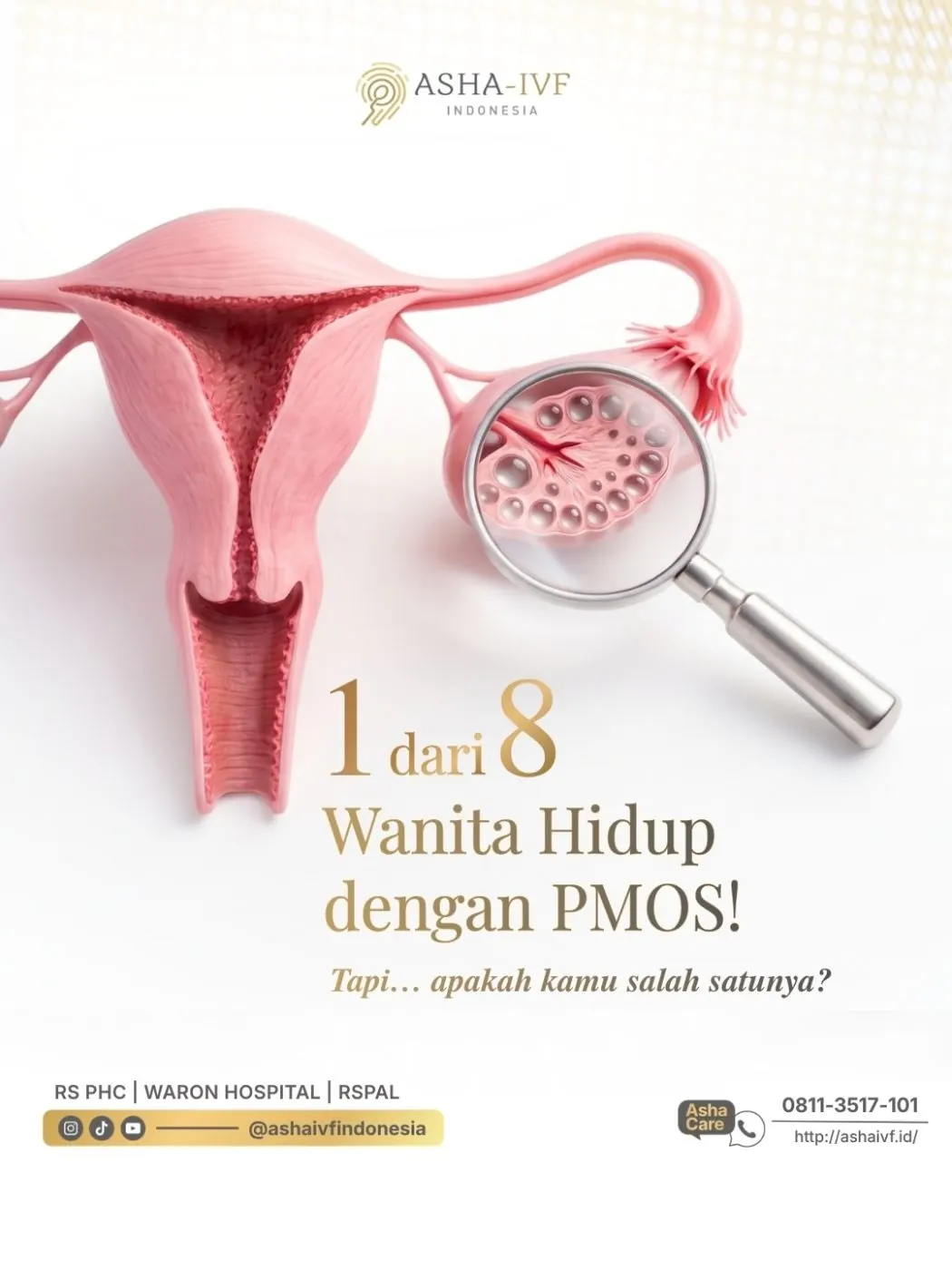
PMOS or PCOS (polycystic ovary syndrome) is a hormonal disorder that is quite common among women of childbearing age. According to the WHO, this condition affects around 8 to 13 percent of women of reproductive age, and many remain undiagnosed. The most noticeable impact is difficulty conceiving, because an egg is not released regularly every month.
The good news is that PMOS is among the most treatable causes of fertility problems. Many women with PMOS can still get pregnant, whether naturally, with medication, or through an IVF program.
What happens in PMOS?
In PMOS, the hormonal balance is disrupted. Levels of androgen hormones (hormones more dominant in men) tend to be higher, and the body is often less sensitive to insulin. As a result, many small follicles in the ovaries grow simultaneously, but none mature completely. Ovulation becomes infrequent or does not occur at all.
Symptoms to watch out for
- Irregular, infrequent periods (cycles longer than 35 days), or missing periods for months.
- Persistent acne, excessive hair growth on the face, chest, or abdomen.
- Thinning scalp hair.
- Easy weight gain, especially around the abdominal area.
- Have not conceived despite regular, unprotected intercourse.
Symptoms can vary for each person. Some have a normal body weight but very infrequent periods, while others have fairly regular periods but high androgen levels.
How is PMOS diagnosed?
Doctors generally use the Rotterdam criteria. A diagnosis is established if at least two of the following three signs are present, after ruling out other causes:
- Infrequent or absent ovulation, usually indicated by irregular periods.
- Signs of androgen excess, from physical symptoms or blood test results.
- Polycystic ovary appearance on ultrasound, showing many small follicles in the ovaries.
Common examinations include transvaginal ultrasound, hormone testing, blood sugar tests, and sometimes AMH. Thyroid disorders or high prolactin levels also need to be checked, as their symptoms can be similar.
Fertility program options for PMOS
Treatment is tailored to each couple's condition, including age, length of marriage, and the partner's test results.
- Lifestyle modifications. In overweight women, losing just 5 to 10 percent of body weight can help restore regular ovulation. Regular exercise and a balanced diet also help insulin function.
- Ovulation induction. Medications such as letrozole or clomiphene are used to trigger egg maturation. Follicle growth is monitored with ultrasound so the timing for intercourse or insemination can be precisely determined.
- Insemination (IUI). Can be considered if ovulation has been successfully induced but pregnancy has not occurred, provided the fallopian tubes are open and sperm quality is adequate.
- In vitro fertilization (IVF). Becomes an option if other methods have not succeeded or if there are other factors, such as blocked fallopian tubes or sperm issues.
Watch out for: exaggerated ovarian response
Ovaries in PMOS usually contain many follicles, making ovarian hyperstimulation syndrome (OHSS) more likely during a fertility program. Therefore, the doctor will choose an appropriate protocol and medication dosage, monitor with ultrasound, and if necessary, freeze the embryos first to be transferred in a subsequent cycle.
PMOS is also about long-term health
Beyond fertility concerns, PMOS is associated with risks of type 2 diabetes, high cholesterol, and uterine lining disorders if periods are very infrequent. Regular check-ups, maintaining a healthy weight, and periodic blood sugar checks remain important, including after achieving pregnancy.
If your periods are often irregular or you have been trying to conceive for one year (six months if over age 35), it is advisable to consult an obstetrician-gynecologist or a fertility specialist together with your partner.
FAQ
Can PMOS be completely cured?
PMOS generally does not go away completely, but its symptoms can be managed. Many women with PMOS can achieve more regular periods and get pregnant with proper management.
Do women with PMOS always have to do IVF?
No. Many succeed in getting pregnant through lifestyle modifications and ovulation-inducing medications. IVF is usually considered if other methods have not succeeded or if there are additional factors.
Is PMOS only experienced by women who are overweight?
No. PMOS can also occur in women with normal or lean body weight. Excess weight can only exacerbate the symptoms.
When should you consult a doctor?
If your menstrual cycle is frequently longer than 35 days, you have missed periods for months, or have not conceived after one year of trying.
References
Adapted from a post by ASHA IVF on Instagram.

Would you like a consultation?
Ask the ASHA IVF team about your condition and your partner's.